Ever caught your dog staring at your plate with those irresistible eyes? It feels harmless to share a bite—but one wrong food can lead to serious health issues. That’s why every pet owner needs a Dog Safe and Unsafe Foods Chart—a simple yet powerful guide that can literally save your dog’s life.
Many common foods we eat daily can be toxic to dogs, while others can boost their health. In this guide, you’ll learn exactly what to feed, what to avoid, and how to make smarter decisions for your furry companion.
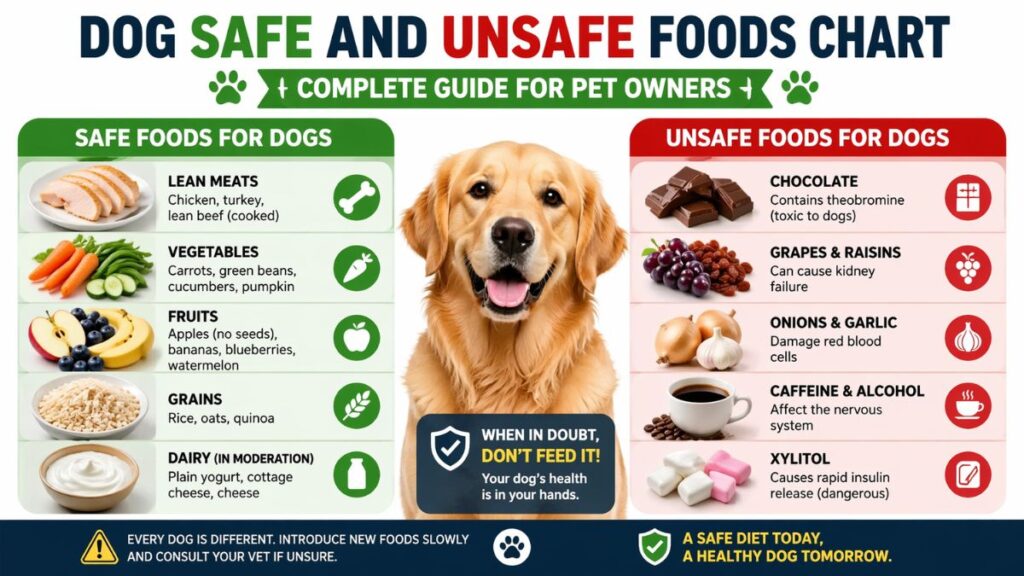
Understanding the Dog Safe and Unsafe Foods Chart
What Foods Are Safe for Dogs?
A well-balanced diet is essential for your dog’s health. Here are some safe, nutritious foods:
- Lean meats: Chicken, turkey, and beef (cooked, no seasoning)
- Vegetables: Carrots, green beans, cucumbers
- Fruits: Apples (no seeds), bananas, blueberries
- Grains: Rice, oats
- Dairy (in moderation): Plain yogurt, cheese
These foods provide essential nutrients and can be used as treats or meal additions.
What Foods Are Dangerous for Dogs?
Some foods are highly toxic—even in small amounts:
- Chocolate – contains theobromine (toxic)
- Grapes & raisins – can cause kidney failure
- Onions & garlic – damage red blood cells
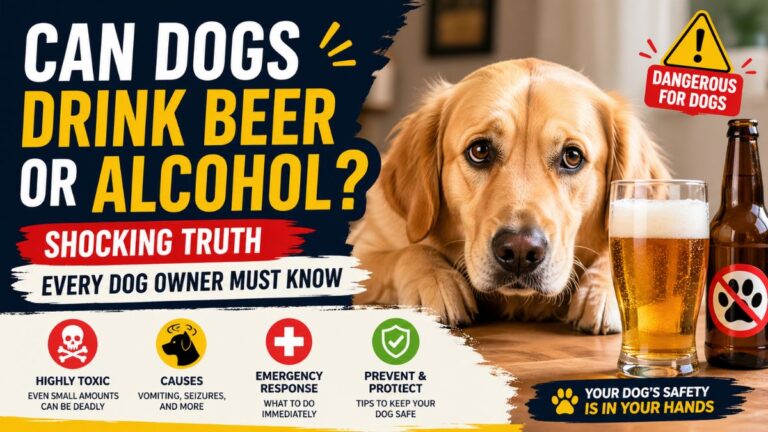
- Alcohol & caffeine – affect the nervous system
- Xylitol (artificial sweetener) – causes rapid insulin release
Understanding these risks is key to using a dog food safety chart for pet owners effectively.
How to Use a Dog Food Safety Chart Effectively
Step-by-Step Guide
Follow these simple steps to make the most of your chart:
- Check before feeding – Always verify new foods
- Start small – Introduce new foods in tiny amounts
- Monitor reactions – Watch for vomiting, diarrhea, or lethargy
- Stick to plain foods – Avoid spices, oils, and additives
- Consult a vet – Especially for unusual foods
This approach helps you confidently manage your dog’s diet using a what human foods can dogs eat safely framework.
Benefits of Using a Food Chart
- Prevents accidental poisoning
- Supports balanced nutrition
- Reduces vet emergencies
- Builds long-term healthy habits
A reliable safe and toxic foods for dogs list simplifies daily feeding decisions.
Common Mistakes and Expert Tips
Mistakes to Avoid
Even caring owners make these errors:
- Feeding leftovers with spices or salt
- Assuming “natural” foods are always safe
- Ignoring portion sizes
- Giving bones that can splinter
- Not checking ingredients in packaged foods
These mistakes can lead to digestive issues or worse.
Expert Tips for Pet Owners
- Keep a printed Dog Safe and Unsafe Foods Chart in your kitchen
- Train family members (especially kids) about unsafe foods
- Use healthy treats instead of table scraps
- Store toxic foods out of reach
- When in doubt, don’t feed it
Safety Precautions
If your dog eats something toxic:
- Stay calm but act fast
- Contact your vet immediately
- Note the quantity and time of ingestion
- Avoid home remedies unless advised
For quick checks, you can use this helpful tool: Dog Safe Food Checker. This tool acts as a real-time dog toxic foods checklist, making it easier to stay safe.
FAQs:
1. Can dogs eat eggs daily?
Yes, cooked eggs are safe and nutritious, but feed in moderation to avoid excess calories.
2. Are all fruits safe for dogs?
No. While apples and bananas are safe, grapes and cherries are toxic. Always check first.
3. What should I do if my dog eats chocolate?
Contact a vet immediately. Chocolate toxicity can be life-threatening depending on the amount.
Conclusion:
Your dog trusts you with every bite they take. A simple mistake can lead to serious consequences—but with the right knowledge, you can prevent it entirely. By using a Dog Safe and Unsafe Foods Chart, you’re not just feeding your dog—you’re protecting their life.